
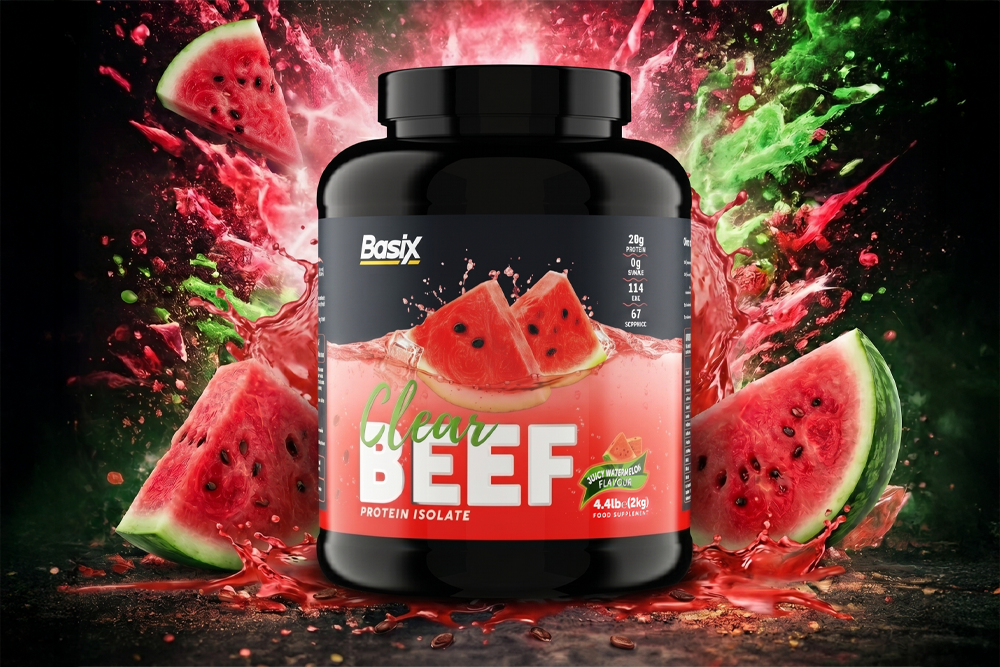
Introduction to Beef Protein
Whey protein has been the go-to supplement for decades and for good reason. But it’s not for everyone. Lactose intolerance, dairy allergies, or simply wanting something different are all valid reasons to look elsewhere. That’s where beef protein comes in.
Beef protein has quietly moved from niche alternative to mainstream supplement, and the research backs it up. It’s dairy-free, high in protein, and just as effective for building muscle as whey when made properly. It also offers benefits that whey can’t match, particularly for joint and connective tissue health.
This guide covers everything you need to know: what it is, how it’s made, what the science says, and how to pick a quality product.
What Is Beef Protein?
Beef protein powder is exactly what it sounds like, protein extracted from bovine (cattle) tissue and processed into a concentrated powder. A high-quality serving typically delivers 22 – 27g of pure protein with zero fat and zero sugar.
But not all beef protein is the same, and this is where it gets important. There are two main types depending on what part of the animal the protein comes from:
- Muscle-derived beef protein – Extracted from skeletal muscle meat, this is your anabolic powerhouse. It’s a complete protein containing all nine essential amino acids, including a solid dose of branched-chain amino acids (BCAAs) like leucine, isoleucine, and valine – the ones directly responsible for triggering muscle growth.
- Collagen-derived beef protein – Sourced from connective tissues like tendons, ligaments, and hides, this type is rich in glycine, proline, and hydroxyproline. These are the building blocks of human cartilage, tendons, and skin. Great for joint health, but not a complete protein on its own.
The best beef protein supplements blend both, giving you a dual-action formula: muscle building from the essential amino acids, and joint and tissue recovery from the collagen fraction.
How Beef Protein Is Made
Turning raw beef into a clean, flavourless protein powder is a serious feat of food engineering. Here’s the basic process:
It starts with the raw material being mechanically broken down to maximize surface area. Then comes hydrolysis, the step that separates protein from the rest of the tissue. There are two main methods:
- Thermal hydrolysis: uses high heat and pressure to extract protein quickly. It works well for bone and connective tissue but can degrade some amino acids and leaves a strong meaty flavour.
- Enzymatic hydrolysis: is the gold standard for sports supplements. Natural enzymes break the protein chains into smaller peptides at lower temperatures, preserving amino acid quality and producing a cleaner product that absorbs faster and digests more easily.
After hydrolysis, the liquid is centrifuged to remove fats, filtered through ultrafiltration membranes to strip out impurities and neutralize the beefy taste, then spray-dried into a fine, shelf-stable powder. The result: 90 – 99% pure protein with none of the fat, cholesterol, or steak flavour.
Nutritional Value of Beef Protein
Beef protein isolate is nutritionally impressive, especially when you look past the basic macros.
On protein quality scores, beef holds its own. It scores a PDCAAS of 0.92 and a DIAAS of 0.90 – 1.00, not quite whey’s ceiling but well above most plant-based proteins. Two areas make beef protein nutritionally unique:
Micronutrients. Beef naturally retains heme iron, zinc, and vitamin B12. Heme iron absorbs at up to 40% efficiency, versus just 2–10% for plant-based iron. For athletes in heavy training, this supports oxygen transport, energy levels, and immune function in a way plant proteins simply can’t match.
Structural amino acids. Glycine, proline, and hydroxyproline – found almost exclusively in beef-derived collagen, are the building blocks for cartilage, tendons, and skin. These are the parts of your body that take a hammering under heavy training loads, yet they’re almost entirely overlooked by whey-only supplementation.
Key Benefits of Beef Protein
Muscle building that rivals whey
This is what most people want to know, and the research delivers. In an 8-week clinical trial, beef protein isolate produced a 5.7% increase in lean body mass, slightly edging out the 4.7% increase in the whey group. Both significantly outperformed a carbohydrate control. The beef protein group also achieved a 10.8% reduction in fat mass over the same period. When your daily protein targets are consistently met, beef protein builds muscle. Full stop.
Joint & connective tissue support
Whey is great for repairing muscle tissue after training. But your tendons, ligaments, and cartilage, the connective structures holding everything together, need different amino acids. Beef protein’s naturally high levels of glycine, proline, and hydroxyproline act as direct building blocks for collagen synthesis in the body. This makes it a particularly smart choice for strength athletes, heavy lifters, and anyone putting repeated stress on their joints over time.
Dairy-free & easy on the stomach
One of the biggest practical advantages of beef protein is what it doesn’t contain: lactose, casein, soy, and gluten. For anyone who’s experienced bloating, gas, or digestive discomfort from whey protein, the switch to a hydrolyzed beef protein isolate is often a revelation. The pre-digested peptide structure is gentle on the gut, absorbed smoothly in the upper digestive tract, and won’t cause the fermentation and cramping that dairy proteins can trigger in sensitive individuals.
Beef Protein vs Whey Protein
Beef protein and whey protein both come from animal sources, both build muscle, and both have solid research behind them. But they work differently and knowing the difference helps you use each one more effectively.
Leucine & the anabolic spike.
Whey is denser in leucine – the amino acid that acts as the primary trigger for muscle protein synthesis. After taking whey, plasma amino acid levels peak sharply at around 30 minutes, creating a powerful, immediate anabolic response. Beef protein’s response is more measured and sustained. Plasma amino acids rise more steadily and stay elevated for longer, making it better suited for prolonged anti-catabolic support and sustained tissue repair over several hours.
Digestion.
Whey digests fast, great for the post-workout window. Beef protein digests more steadily, providing a longer release of amino acids that also makes it a smart option before bed.
Digestive comfort.
Beef protein is naturally lactose-free and dairy-free. No exceptions. Whey can cause issues for lactose-intolerant individuals.
Joint support.
Whey offers almost nothing here. Beef protein’s collagen peptides actively support cartilage, tendons, and joint health.
The bottom line: neither is objectively better. Whey wins for acute post-workout anabolism. Beef protein wins for all-day recovery, digestive comfort, joint support, and dairy-free diets. Many athletes use both.
Who Should Use Beef Protein?
Beef protein isn’t just a niche option. It’s the better choice for a wide range of people:
- Lactose intolerant or dairy-sensitive athletes – If whey gives you digestive grief, beef protein is your answer. No lactose, no casein, no problem.
- Paleo, carnivore, or elimination diet followers – Beef protein is one of the few supplements that fits cleanly within strict ancestral dietary frameworks that exclude dairy, grains, and legumes.
- Strength athletes & heavy lifters – The collagen fraction in beef protein actively supports joints, tendons, and ligaments. Exactly what takes the most punishment under heavy loads.
- Older adults – Beef protein supports both muscle mass preservation and joint health simultaneously, making it a smart choice for those managing age-related changes in both muscle and connective tissue.
- Anyone looking for a complete, high-quality protein powder alternative – If you want variety in your protein sources or simply want a great all-round dairy-free option, beef protein delivers.
How to Choose the Right Beef Protein
The beef protein market has grown fast and unfortunately, not everything on the shelf is what it claims to be. Here’s what to look for:
Check what part of the animal it comes from
This is the single most important thing to verify. Some manufacturers use cheap collagen from hides and connective tissues and market it as “beef protein”. If the label shows sky-high glycine or lists hydroxyproline, the product is mostly collagen, useful for joints but not ideal for muscle building on its own. Look for products explicitly labelled as derived from beef muscle meat, or those that clearly list their BCAA content.
Look for third-party testing
Heavy metal contamination – lead, cadmium, arsenic, mercury – is a real concern with concentrated animal proteins. A study by the Clean Label Project found that 47% of protein powders tested exceeded at least one safety threshold for toxic metals. Don’t skip this step. Prioritize brands with NSF Certified for Sport or Informed Sport certification. These programs test individual batches, verify label accuracy, and screen for over 290 banned substances.
Choose hydrolyzed isolate
Look for the words “Hydrolyzed Beef Protein Isolate on the label. “Isolate” means fats and impurities have been filtered out (90%+ protein content). “Hydrolyzed” means the protein chains have been enzymatically broken down into peptides for faster absorption and easier digestion. Both matter.
Sourcing & quality claims
If a brand claims “grass-fed” or “raised without antibiotics”, these should be backed by a recognized third-party verifier, not just a marketing claim on the front of the tub.

How to Use Beef Protein
How much do you need?
For active individuals, aim for 1.6 – 2.2g of protein per kilogram of bodyweight per day to support muscle building and recovery. A standard scoop of beef protein isolate (25 – 30g) delivers around 22 – 27g of protein, making it an easy and convenient way to hit your daily targets.
When should you take it?
Post-workout is a great time, a serving within 30–120 minutes after training helps deliver amino acids to your muscles when they need them most. Because beef protein digests at a slightly more sustained rate than whey, it’s also a solid option before bed, where it can help prevent overnight muscle breakdown and keep recovery ticking over while you sleep.
How to use it
Beef protein mixes well into a shake with water or milk, blends into smoothies, or stirs into porridge for a high-protein breakfast. For maximum results, combine it with a fast-digesting whey isolate or take it alongside leucine-rich whole foods like eggs to ensure the full anabolic trigger is hit while the collagen fraction handles joint recovery.
Potential Side Effects and Safety
Beef protein is safe and well tolerated for the vast majority of healthy adults. But there are a few things worth knowing:
Heavy metal contamination
As covered in the “How to Choose” section, this is the primary risk with any concentrated protein powder, particularly those derived from bone or connective tissue. Stick to third-party tested products and you significantly reduce this risk.
Kidney health
High protein intake increases the workload on your kidneys. This is a normal physiological adaptation in healthy individuals and is not harmful. However, if you have existing kidney disease (CKD stage 3 or above), you should manage your protein intake under medical supervision. High protein diets are not recommended for those with compromised kidney function.
Gout risk
Red meat contains purines, broken down into uric acid in the body. In people prone to gout, large doses of beef protein could be a factor, though the hydrolysis and filtration process likely removes a significant portion of purines. If you have a history of gout, monitor your levels and consult your doctor before starting.
Alpha-Gal Syndrome
This rare allergy to a carbohydrate found in mammalian meat is an absolute contraindication. Reactions can be severe and delayed. If you’ve experienced post-tick-bite allergic reactions to red meat, seek medical advice before using any beef-derived supplement.
Final Thoughts
Beef protein has earned its place as a genuine, research-backed alternative to whey. Not just a compromise for people who can’t tolerate dairy. If you’re looking for a high-quality protein powder that builds muscle, supports your joints, and won’t mess with your digestion, beef protein deserves serious consideration.
As always, quality matters. Don’t cut corners on testing and transparency. At Basix Nutrition, we keep it simple: pure ingredients, no shortcuts, and no hassle. Whether you choose whey, beef, or both, the goal is the same. Fuel your performance and keep pushing forward.